


6-axis robots
A 6-axis robot performs movements very similar to those of the human hand, thanks to its six degrees of freedom. 6-axis robots are a real tool used not only by large corporations, but also by small and medium-sized manufacturing companies. For over a decade, we have been designing, manufacturing, and implementing complete automation solutions.
Our offer includes Dobot 6-axis robots with ISO certifications (ISO 13849-1, ISO 10218-1, and ISO/TS 15066), which can safely work directly alongside humans, using modern collision detection and avoidance systems.

2016
Year of establishment of the company
+30
People on the team
+314
Implementation of automation and robotization projects
Free consultation
Let's see how robots can really help your business.
We will advise you and answer all your questions, show you the possibilities, benefits and return on investment time in your specific case.
6-axis robots - implementation and use in practice
In addition to robot sales, we offer complete, individual implementations. This means that implementing a 6-axis robot isn't accidental, but rather tailored to your specific application. Effective implementation results from an analysis of individual needs and goals. We work comprehensively – from concept to commissioning and service – ensuring full control over the project and its final outcome.
We provide full support at every stage of cooperation, which translates into investment security and a rapid return on implementation costs.
How much does a 6-axis robot cost and what determines the implementation price?
The price of the complete implementation depends on what elements will be needed to build the station. Below are the main components of the station and the factors that influence the implementation price:
-
robot,
-
gripper or other end effector (e.g., a torch for welding),
-
vision systems and sensors
-
component feeders (e.g., vibratory feeders)
-
station safety and ergonomics elements
-
station structure components and accessories, e.g., welding table
-
integration with the machine/line
-
assembly, commissioning, testing, training
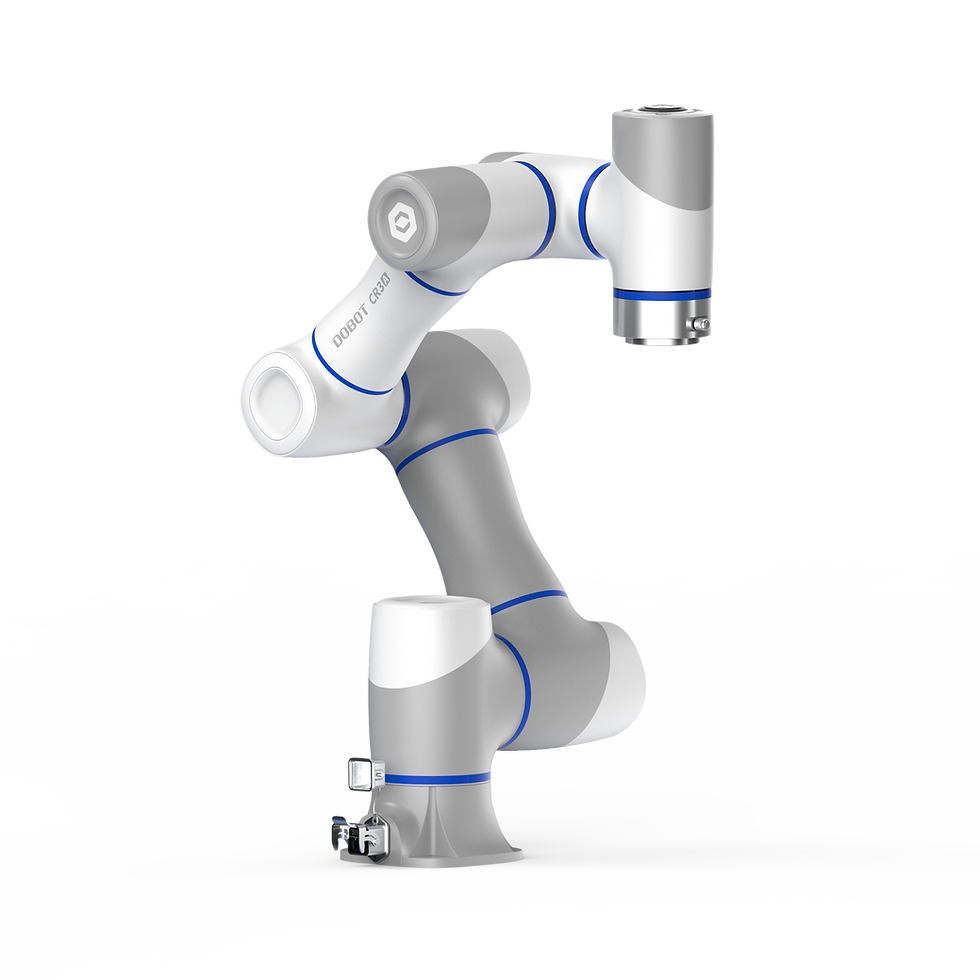
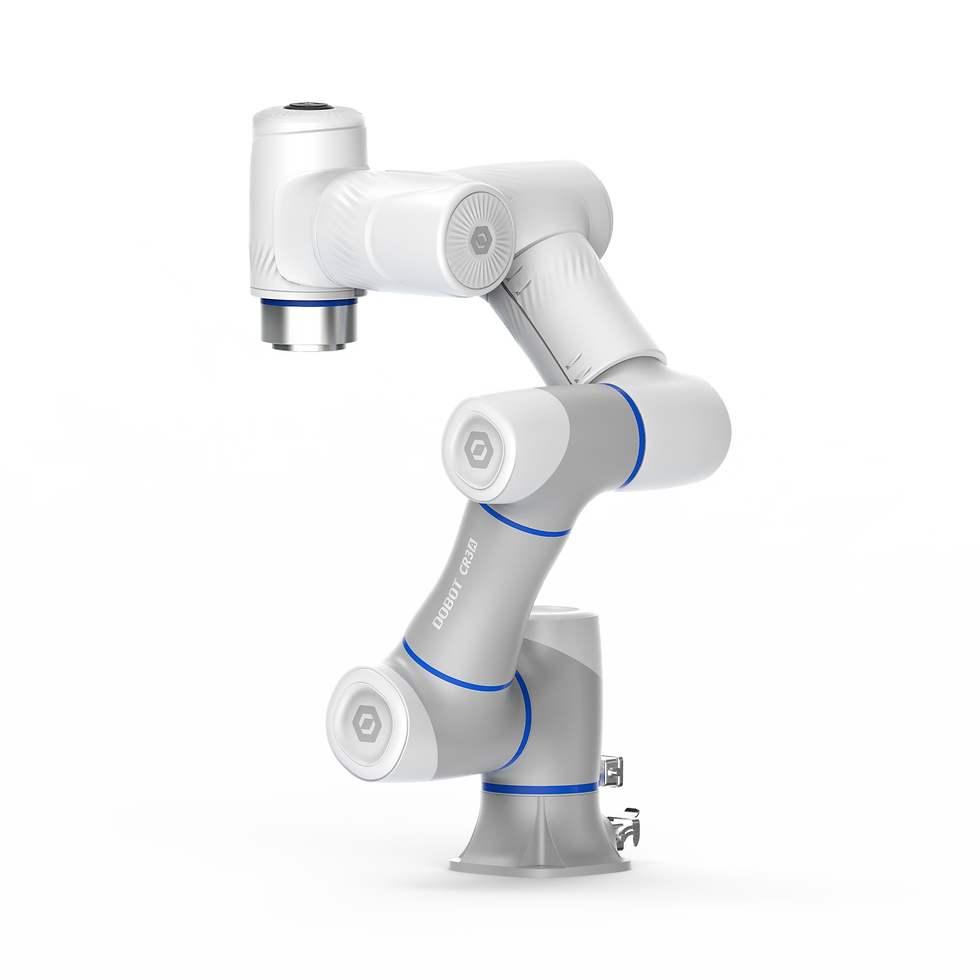
Below you will find our robot models and prices.






6-axis robots - why choose us?
By choosing to cooperate, the client receives not only a robot 6-axis, but above all, a comprehensive solution that streamlines processes, reduces costs, and increases production control. We focus on results, so each project has a clearly defined business goal.
Robots Tailored to You
We design each implementation individually, taking into account the nature of the plant's operations, its constraints, and development opportunities. This ensures that the solution works effectively from day one.
Fast implementation without downtime
We organize the implementation process so that it doesn't disrupt your ongoing operations. We minimize the risk of downtime and shorten system launch times.
Over 300 implemented projects in the industrial automation and machine building industries
We implement projects for many industry sectors, allowing us to quickly identify challenges and propose proven solutions. We leverage experience from other projects to continuously improve the quality of our services.
Ongoing support and technical advice
We don't end our partnership after implementation. We provide ongoing support, allowing the client to develop the system and adapt it to new needs.
Why is it worth investing in a 6-axis robot for your company?
Investing in a 6-axis robot solution primarily means increased production efficiency. Automating repetitive processes allows you to shorten task completion times and reduce errors resulting from manual work. This allows the company to fulfill more orders and relieve employees from working in more difficult conditions.
Our company's offering includes:
-
Technical consulting - we analyze processes and select optimal solutions tailored to the specifics of your business.
-
Implementation and configuration - we perform testing, assembly, and commissioning of the station without disrupting plant operations.
-
Training - we prepare operators for practical robot operation and programming.
-
Component production - we have extensive production facilities, so we can produce structures, devices, and machines for individual applications.
-
Service and support - we provide quick responses and ongoing technical support.
-
Accessories - such as vision cameras, vibrating feeders.
-
Individual approach - we design solutions that meet customer requirements, not pre-made designs.
Another aspect is precision and repeatability. A 6-axis robot performs tasks with an accuracy that cannot be maintained manually over long periods. This is particularly important in processes requiring consistent quality, such as assembly or part inspection.
Flexibility is also important. A single 6-axis robot can perform various tasks depending on the tool and program used. This means that the process can be quickly changed without having to invest in new equipment.
Savings in energy and operating costs are also worth noting. A modern 6-axis robot consumes less energy than traditional automation systems, while operating in continuous mode, which translates into stable production and predictable costs.
Applications of 6-axis robots in industry
Collaborative robots are used in many areas of production because their design allows them to perform both simple and complex operations. In practice, this means a wide range of applications across various industries.
The most common applications include:
-
Welding - precise joining of components while maintaining repeatable quality.
-
Palletizing - automatic stacking of products on pallets at a rapid pace.
-
Loading and unloading - operating machines and transporting parts between stations.
-
Assembly - assembling components in production processes.
-
Insertion - precise placement of parts in the right places.
-
Quality control - product inspection using sensors and vision systems.
-
Screwdriving - automation of assembly processes requiring repeatability.
-
Transportation - moving components between production stations.
-
Process analysis - we identify areas requiring automation and determine optimization potential.
-
Station design - we prepare a robot workflow tailored to production conditions.
-
Machine integration - we connect the robot to existing devices and control systems.
-
Testing and optimization - we verify the solution's performance and implement improvements before launch.
-
System development - we enable the expansion of the workstation as the company grows.
The wide range of applications means that robots can be used in almost any production plant to automate repetitive tasks.
6-axis robots with sensors and safety systems
When designing our solutions, we focus on ease of use and occupational safety. Collaborative robots are equipped with control systems that enable rapid operator onboarding without the need for lengthy training. Programming is transparent, allowing for independent modification of processes.
At the same time, the safety technologies used enable safe collaboration between humans and robots in a single workspace. Sensors detect the operator's presence, and protective systems respond immediately, minimizing the risk of collision.
This makes it possible to combine automation with the flexibility of human work, without the need to create separate safety zones.
In practice, this means greater freedom in organizing workstations and better use of available space. Such solutions increase production efficiency while improving the team's work comfort.
Comprehensive integration of 6-axis robots with your production processes
When implementing automation solutions, we focus not only on the device itself, but above all on its full adaptation to the work environment. Every 6-axis robot we integrate becomes part of a larger system that must operate coherently and seamlessly. That's why we analyze the entire production process, identify bottlenecks, and design solutions that truly improve its efficiency.
The scope of integration includes:
This planned implementation process ensures that automation is not a one-time change, but long-term support for production development.